Pico vs Q-Switched Lasers: Why Pulse Length Matters for Pigment
Pico and Q-switched lasers both target pigment. The difference is how long each pulse lasts, and on brown skin that changes how much heat, and how much rebound darkening, the treatment risks.
Pico lasers are often described as the newer, better replacement for Q-switched lasers. The truth is more interesting, and more useful if you are deciding what to do about dark spots or uneven tone. Both are pigment lasers. Both target melanin. The difference between them comes down to one number: how long each pulse of light lasts.
Pulse length changes how a laser breaks up pigment and how much heat reaches the surrounding skin. On brown skin, that heat is often what decides whether a dark spot fades or a new one appears.
What pulse length actually means
A pigment laser works on a principle called selective photothermolysis. Light of a chosen wavelength is absorbed strongly by melanin and much less by the skin around it, so the energy lands mainly on the pigment. The catch is that absorbed energy turns into heat, and heat spreads. If the pulse lasts longer than the pigment takes to cool down, warmth leaks into neighbouring cells and the treatment stops being selective.
The tiny packets of melanin in skin cells, called melanosomes, shed heat very quickly. A randomised split-face trial in the Annals of Dermatology puts their cooling window at roughly 50 to 250 nanoseconds. Q-switched lasers were built to fit inside that window, with pulses lasting billionths of a second. That is why they became the standard tool for sun spots, freckles and many other brown marks.
Picosecond lasers go a step further. Their pulses are measured in trillionths of a second, around a thousand times shorter. At that speed, the pigment is hit so fast that it fractures from a pressure wave before much heat can build up. This is usually called a photoacoustic or photomechanical effect, as opposed to the mainly photothermal, heat-led effect of a Q-switched pulse. The same paper describes picosecond pulses as creating a greater photomechanical effect with less unwanted heat spreading into nearby tissue.
In practice, the distinction is not absolute. Q-switched pulses also shatter pigment mechanically, and picosecond pulses still produce some heat. What changes is the balance between the two, and that balance matters most in skin that reacts strongly to heat.
Picosecond lasers were first used to remove tattoos, where very small ink particles respond well to very short pulses. Their use has since spread to pigmentation, texture and scarring.
| Q-switched laser | Picosecond laser | |
|---|---|---|
| Pulse length | Nanoseconds (billionths of a second) | Picoseconds (trillionths of a second) |
| Main way it breaks pigment | Heat plus mechanical shattering | Mostly a pressure wave, with less heat |
| Heat reaching nearby skin | More | Less |
| Track record | Long, well studied | Newer, fewer head-to-head trials |
| Typical uses | Sun spots, freckles, some birthmarks, tattoos | The same, plus texture and some scar protocols |
| Melasma | High relapse risk | High relapse risk |
What the comparison studies show
The theory predicts that picosecond lasers should clear epidermal pigment at least as well as Q-switched lasers while causing less post-inflammatory darkening. A small number of well-designed trials have tested that idea directly, and their findings are worth reading closely, including their limits.
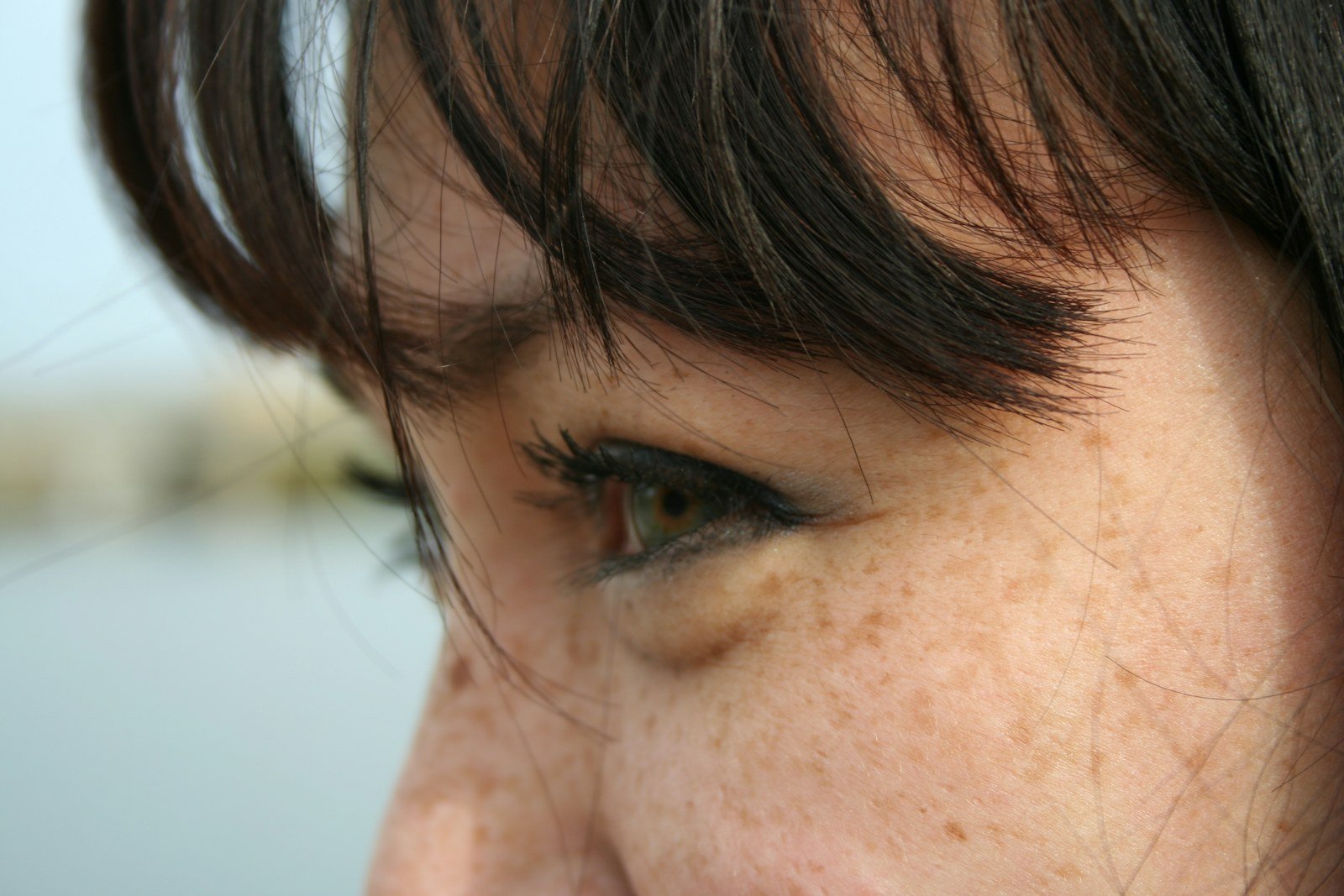
The Annals of Dermatology trial treated 20 women with solar lentigines, the flat brown sun spots that appear on the cheeks and temples with age. Each face was split down the middle: one side had a 532 nm picosecond laser, the other a 532 nm Q-switched laser, and each side was treated once. Three dermatologists who did not know which side was which assessed the results. The picosecond side cleared more, and post-inflammatory hyperpigmentation appeared noticeably less often on that side. Pain and patient satisfaction did not differ meaningfully between the two.
That trial matters for readers here because its participants had Fitzpatrick skin types III to V, the range that covers most Indian skin. It is also small, single-centre and short, so it supports a direction rather than a final verdict.
Melasma tells a different story. A randomised, double-blind split-face trial in the Journal of Cosmetic Dermatology compared 1064 nm picosecond and Q-switched Nd:YAG lasers in 16 Asian women with skin types III and IV. Both sides improved over a short course of treatment. The researchers found no statistically significant difference between the two lasers in melasma severity or overall appearance, and no difference in recurrence at follow-up. The picosecond side was rated as less painful after the first treatment.
For discrete sun spots, the shorter pulse seems to help, especially with darkening afterwards. For melasma, the evidence so far does not show one laser clearly ahead of the other.
Why this matters more on Indian skin
Brown skin has more active melanocytes, the cells that make pigment, and they respond to injury by making more of it. DermNet’s overview of post-inflammatory pigmentation notes that it is mostly seen in darker skin types, and that lasers and other physical treatments can help epidermal pigment but can also aggravate it by injuring the surface of the skin.
That is the central tension of pigment lasers on Indian skin. The same energy that breaks up a dark spot can trigger the skin to produce a fresh one, usually as a temporary brown patch around the treated area. Less heat means less inflammation, which is why a shorter pulse is attractive for this skin. Our article on why dark marks outlast the spot on Indian skin explains that process in more detail.
Settings matter as much as the device. Energy, spot size, wavelength and how many passes are made all affect how much the skin is stressed. A carefully set Q-switched laser can be gentler than a carelessly set picosecond one. Choosing a pulse length is one decision among several.
Climate plays a part too. Bengaluru sits high and close to the equator, and UV exposure is significant through most of the year, including on overcast days. Skin that is being treated for pigment and is then exposed to sun and visible light without protection tends to darken again. Our guide to why SPF alone isn’t protecting Indian skin from pigmentation covers the tinted, iron oxide-based protection that suits this skin.
What neither laser fixes on its own
Melasma. Melasma is a chronic condition driven by sunlight, hormones and heat, and it is easily provoked. DermNet’s clinical summary of melasma lists Q-switched Nd:YAG and picosecond lasers among the procedures that carry a high risk of relapse and of the condition becoming more resistant to treatment. A laser may play a supporting role in some plans, but the foundation is daily sun and visible-light protection and topical treatment.
Pigment that sits deep. Brown marks can sit in the top layer of skin or deeper in the dermis. When post-inflammatory pigment drops into the dermis, it often looks grey-brown or bluish and responds much more slowly. DermNet notes that physical treatments are not effective for dermal pigment of this kind.
Pigment with an internal cause. Velvety dark patches on the neck or underarms can be a sign of insulin resistance, which is explained in our piece on dark neck patches as a blood-sugar signal. A laser does nothing for the cause, and the colour tends to persist while the cause is active.
The reasons pigment came back. Sun exposure, picking at spots, irritating skincare and untreated acne all keep producing new marks. Clearing what is there without addressing those simply resets the clock.
| Concern | Where the pigment sits | Role of a pigment laser |
|---|---|---|
| Sun spots (solar lentigines) | Upper skin layer | Often a good fit; picosecond may cause less darkening afterwards |
| Freckles | Upper skin layer | Often a good fit, but they return with sun exposure |
| Post-acne dark marks | Upper layer, sometimes deeper | Sometimes, at gentle settings, after acne is controlled |
| Melasma | Upper layer and dermis | Limited and cautious; relapse risk with both types |
| Dark neck or underarms | Thickened upper layer | Not first line; the cause needs attention first |
How an assessment decides between them
The useful question is not which laser is better in general, but what kind of pigment this is and where it sits. An evidence-based assessment starts with a diagnosis: sun spots, post-acne marks, melasma and friction pigment can look alike in the mirror and need different plans. Our overview of where pigmentation comes from sets out those differences.
From there, a personalised plan weighs your skin type, your history of darkening after spots or procedures, your sun exposure and what you are already using on your skin. A small test area is a sensible first step for anyone who darkens easily. Topical care and sun protection usually run alongside any laser work rather than after it. How many treatments make sense, and how far apart, depends on your skin; you get a clear estimate in person rather than a fixed package.
Clinically supervised pigment work comes down to precision: the right wavelength, pulse length and energy for the right problem, and honesty when a laser is not the right tool. More detail on the device is on our pico laser treatment page, and the wider range of options is on our pigmentation treatment page.
Frequently asked questions
Is a pico laser always better than a Q-switched laser?
Not always. A small trial found it cleared sun spots better with less darkening afterwards, while a melasma trial found no clear difference between the two.
Is a pico laser safe for Indian skin?
It can be used on brown skin, and its lower heat is an advantage there. The risk of temporary darkening is lower, not zero, so settings, sun protection and a test area still matter.
Can a pico laser remove melasma?
Melasma is managed rather than removed, and both laser types carry a high risk of relapse. Any laser use for melasma is cautious and supports daily sun protection and topical treatment.
Does a pico laser hurt?
Most people describe a quick snapping or prickling sensation. In the melasma trial, the picosecond side was rated less painful than the Q-switched side after the first treatment.
Will dark spots come back after laser treatment?
They can, especially with sun exposure or if the cause is still active. Daily protection and treating the cause help keep new marks from forming.
This article is for general education and is not a substitute for an in-person consultation. Treatment suitability depends on your medical history, skin type and current medication. Always speak with a qualified practitioner before starting or stopping any treatment.