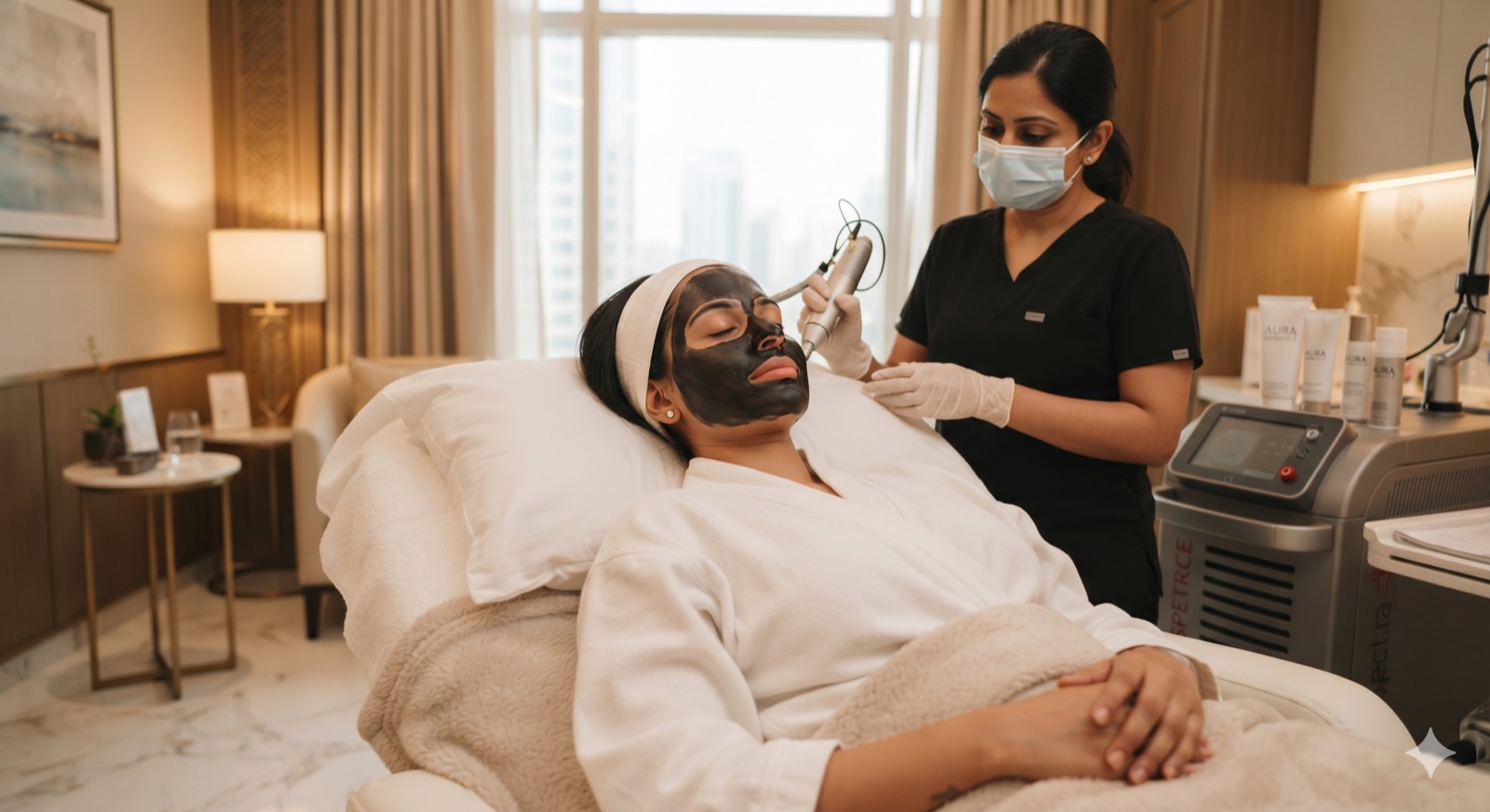
Ultra-short pulses that break pigment apart with less heat left in the surrounding skin — which is precisely what higher-melanin skin needs, because heat is what drives pigment to rebound.
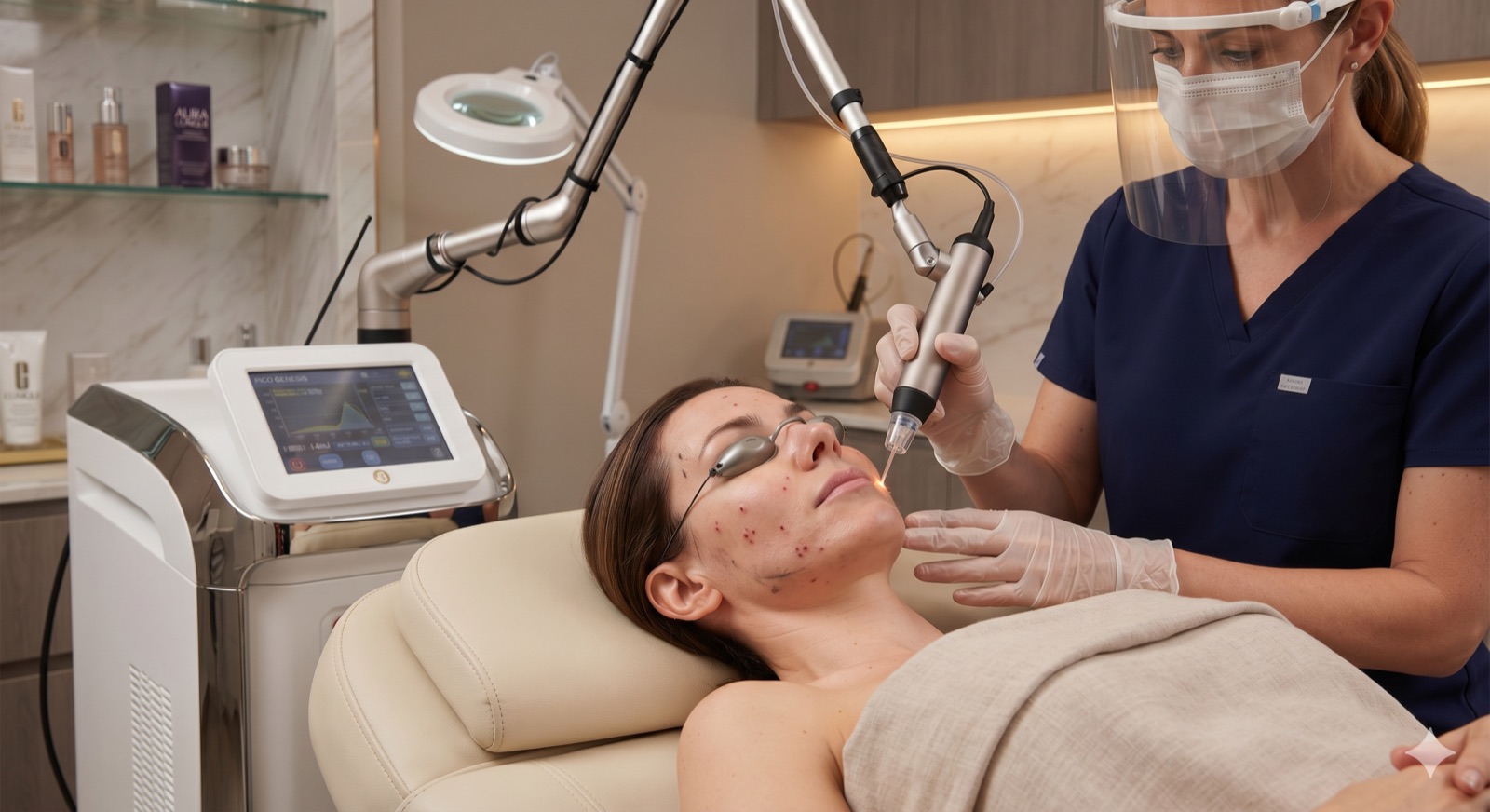
A pico laser delivers energy in pulses measured in trillionths of a second — short enough to break pigment apart mechanically rather than by cooking it with heat.
That distinction matters far more on Indian skin than the marketing usually admits. Older nanosecond lasers rely on heat to break pigment down, and heat in melanin-rich skin is what triggers the rebound darkening so many patients arrive here having already experienced elsewhere.
Because the pulse ends before meaningful heat spreads into surrounding tissue, a picosecond device can be worked into a pigmentation plan for skin that has reacted badly to laser before. It is still not a first-line answer for every dark patch — melasma in particular behaves differently — which is why the plan starts with an in-clinic skin analysis and a patch test.
Energy is delivered faster than it can disperse as heat, so pigment absorbs a photoacoustic shock rather than a thermal one.
Shattered pigment particles are smaller than those older devices leave behind, which is what allows the body to clear them.
The fragments are carried away by the skin's own clearance over the following weeks — which is why spacing between sessions is part of the protocol.
Assessed, planned and supervised in clinic — never sold from a menu.
Reduced heat in surrounding skin, the mechanism behind rebound darkening on deeper tones.
Settings selected for your skin type and the pigment being treated, never a preset.
Most facial areas are covered in under half an hour.
Mild redness for a few hours; makeup the next day for most patients.
Used for dullness, uneven tone and pore refinement, not pigment alone.
The same mechanism progressively clears tattoo pigment across a planned course.
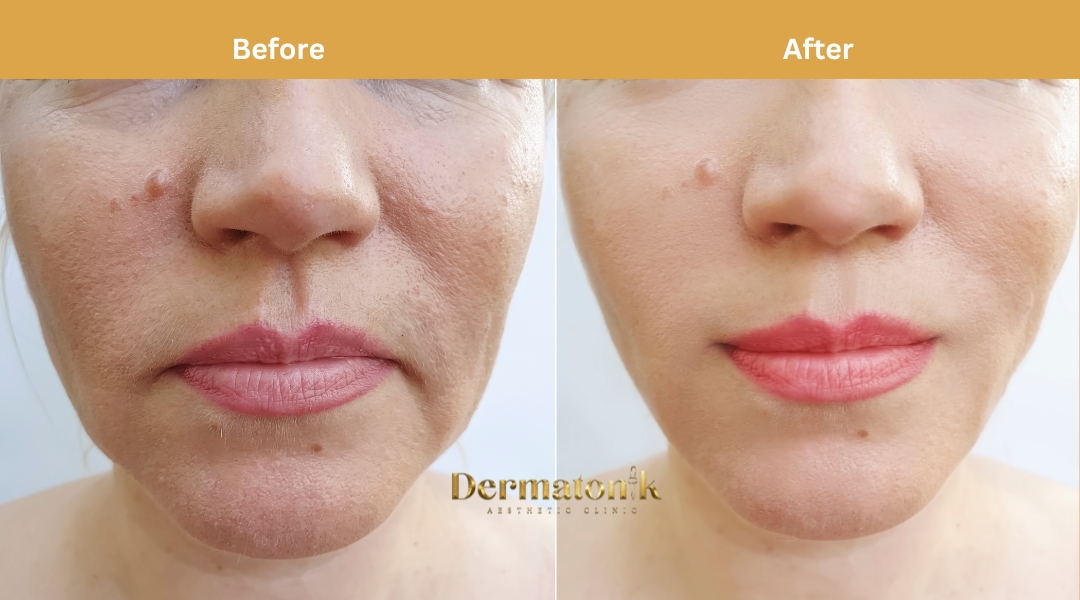
Skin renewal — results shown are from Dermatonik's skin-renewal protocols and may reflect a combination of treatments.
Photographs shared with patient consent. Individual results vary; your clinician will set honest expectations at consultation.
Dr. Saeema Shiraaz assesses what is actually causing your pigmentation — sun, hormones, post-inflammatory marking or melasma all look similar and respond very differently — before laser is considered.
What is appropriate, in what order, and what it will cost is set out before anything begins. You will be told plainly if something is not going to help you.
A patch test comes first. In the session, the handpiece is passed over the area in a controlled pattern; most patients describe a light flicking sensation rather than pain.
Aftercare is explained before you leave, and we review how your skin has responded before deciding the next step.
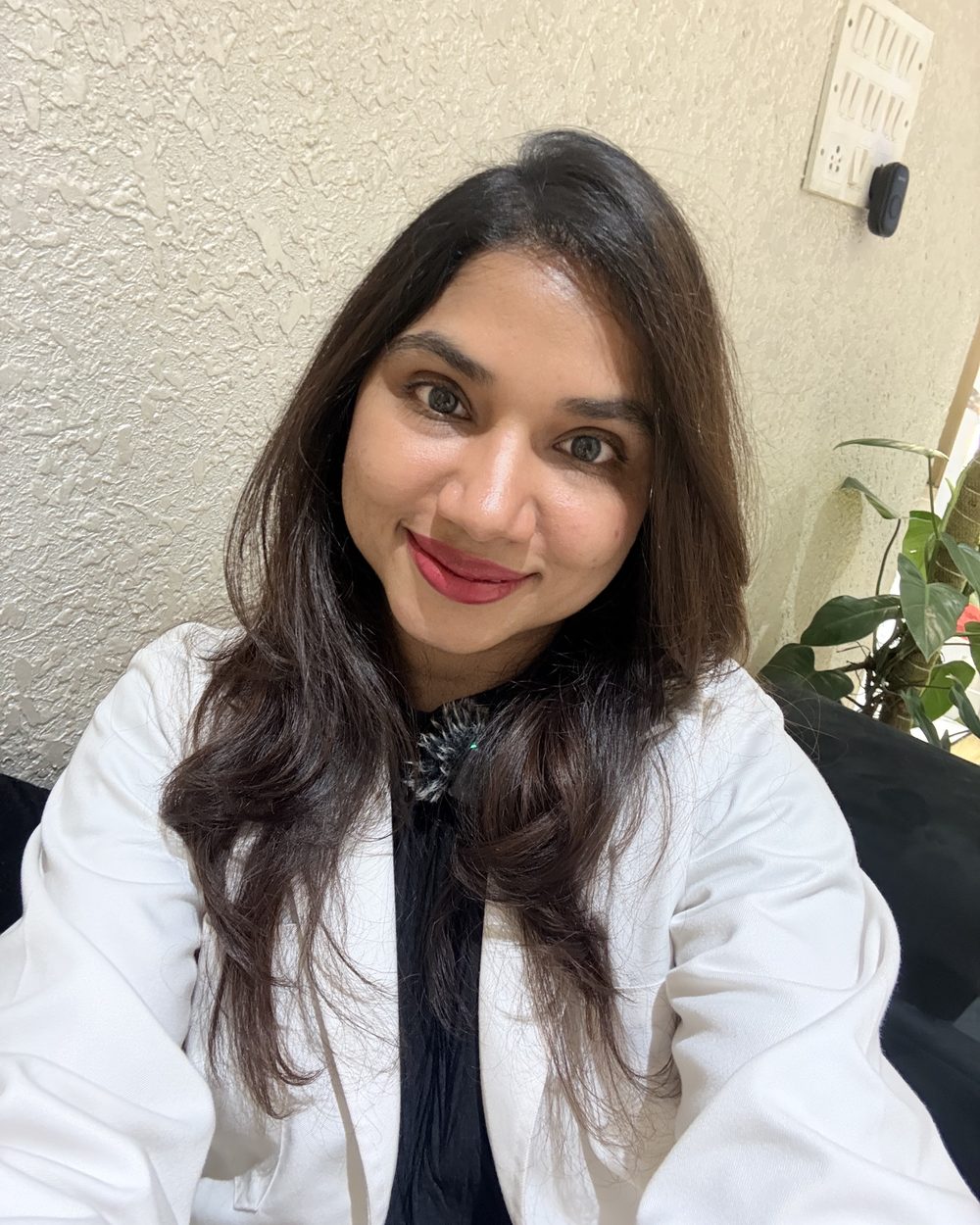
Dr. Saeema Shiraaz — cosmetologist, and the reason patients stay. Every treatment plan at Dermatonik is built around her judgement, not a sales target.
Every protocol is planned and supervised by Dr. Saeema Shiraaz — no junior staff experimenting on your skin.
We recommend what works for your skin, not whatever's trending — and we'll say so if a treatment isn't right for you.
Honest timelines, real costs, and no pressure to buy packages you don't need.
Most patients who arrive with rebound darkening were treated with the right idea and the wrong settings. Skin tone decides the device and the parameters, and we patch-test before a full session.
Dermatonik
How we work
What patients usually ask before their first visit.
It is generally better suited to higher-melanin skin than older heat-driven lasers, because the pulse is too short for meaningful heat to spread. Suitability still depends on your skin type and what is driving the pigment, so we patch-test before a full session.
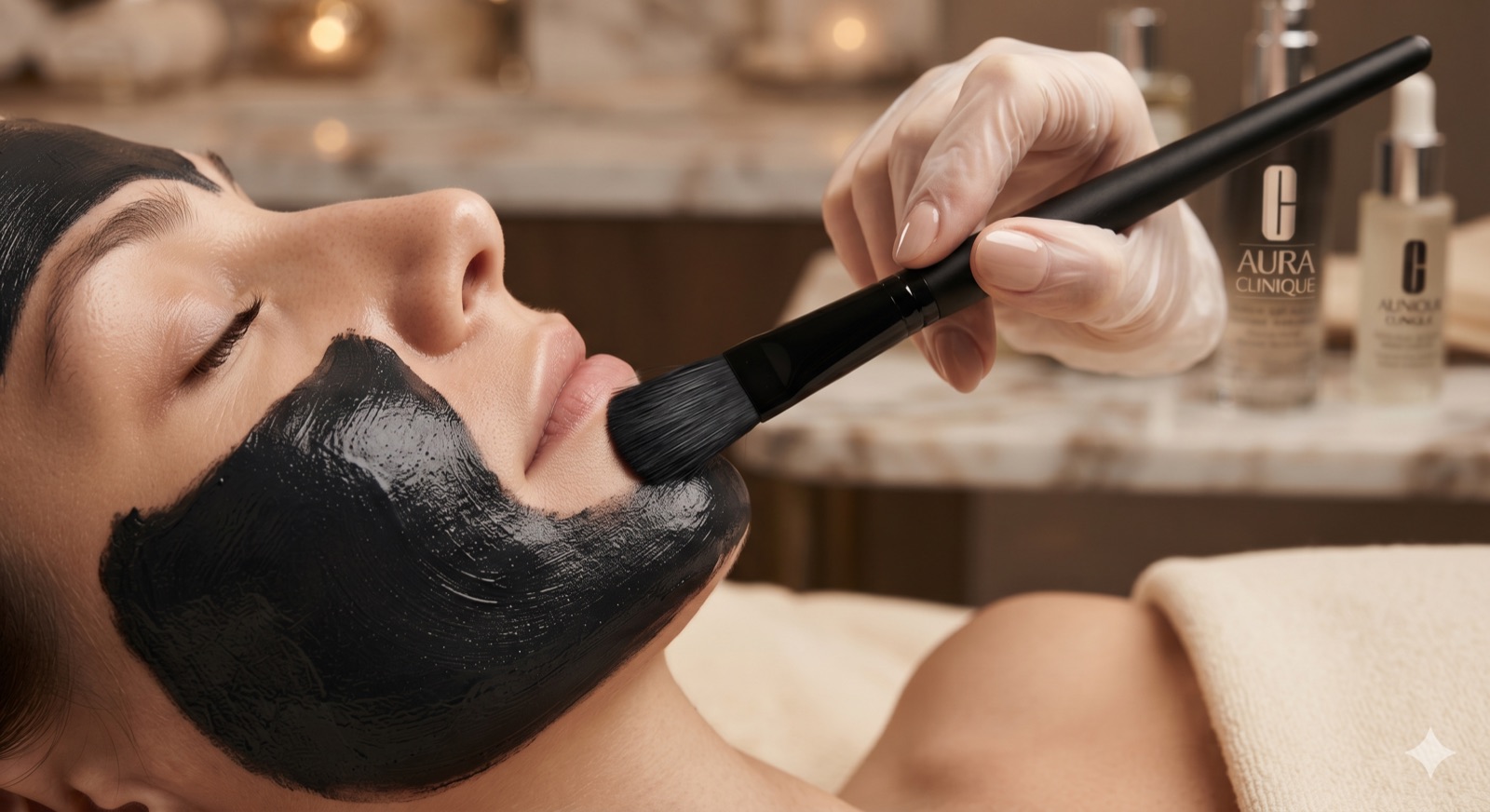
Most patients describe a light flicking sensation on the skin. Numbing cream can be applied beforehand for more sensitive areas or for tattoo work.
Pigment depth, cause and duration all change the answer. Facial pigmentation is usually planned across a course spaced three to four weeks apart, with tattoo work needing wider intervals, and your course is reviewed as your response shows.
It can, if what caused it is still active. Sun exposure, hormones and inflammation all keep producing pigment, so aftercare and sun protection are part of the plan rather than an afterthought.
Sometimes, and cautiously. Melasma is easily aggravated by aggressive treatment, so where it is the diagnosis we usually build a wider plan and use gentler settings rather than leading with laser.
Recent sun exposure or tanning, active skin infection, certain photosensitising medications, and pregnancy. Your history is reviewed at consultation.
Tell us a little about what you'd like to address. Dr. Saeema Shiraaz will review your message and the team will confirm a time that works for you.
2nd Floor, 1655, 27th Main Road, opp. NIFT College,
1st Sector, HSR Layout, Bengaluru 560102
By appointment — in clinic or online consultation
Continue the conversation there and the team will confirm your slot shortly.