The brown or grey marks that linger after a spot, a rash or an injury has healed — a different problem from sun-driven pigmentation, and one that responds to a different approach.
Post-inflammatory hyperpigmentation is what happens when skin responds to inflammation by producing extra pigment at the site. The spot has gone; the discolouration it triggered has not.
The important and genuinely reassuring distinction is that these are flat marks, not scars. The skin's texture is unchanged — it is colour that remains. That means they will fade, and the work is about supporting that process rather than rebuilding tissue.
Deeper skin tones are considerably more prone to this response, which is also why aggressive treatment is the wrong instinct here. Anything that inflames the skin further can deepen the very mark you are trying to clear, and we see that regularly in patients who arrive after treatment elsewhere.
Injury or inflammation signals pigment-producing cells to increase output at that site, and the excess remains after healing completes.
Squeezing or picking extends the inflammation and drives pigment deeper, which is the difference between a mark that fades and one that persists.
Ultraviolet exposure on an existing mark darkens it further and slows fading — the reason sun protection matters more here than almost anywhere.
The first priority is always to stop whatever is causing the inflammation. Fading work follows, gently, once the skin is settled.
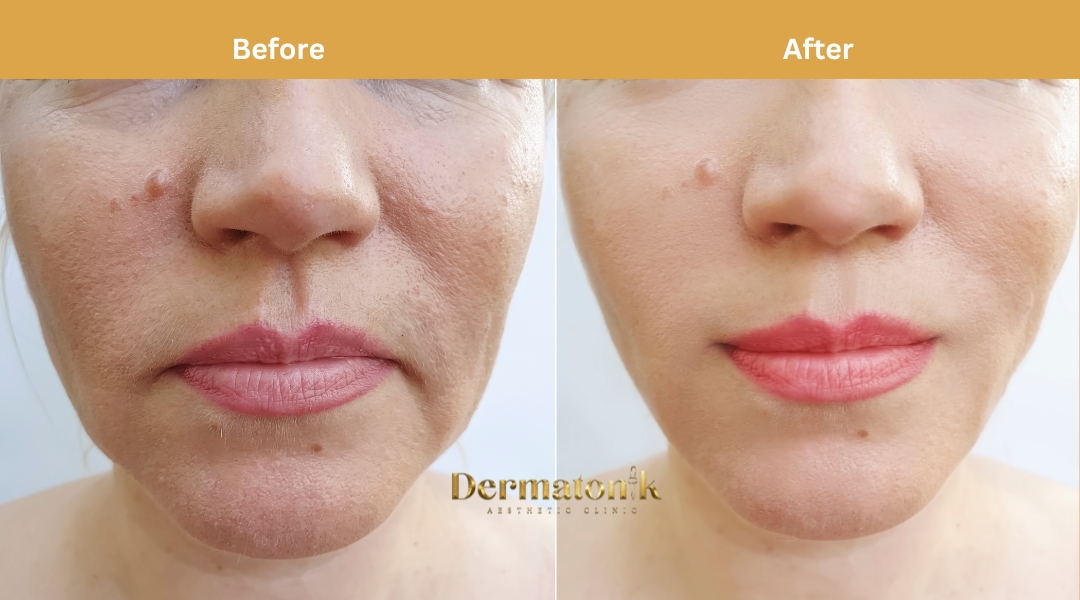
Skin renewal — results shown are from Dermatonik's skin-renewal protocols and may reflect a combination of treatments.
Photographs shared with patient consent. Individual results vary; your clinician will set honest expectations at consultation.
Dr. Saeema Shiraaz confirms these are flat post-inflammatory marks rather than scarring, identifies what caused the inflammation, and checks whether it is still ongoing.
What is appropriate, in what order, and what it will cost is set out before anything begins. You will be told plainly if something is not going to help you.
Treatment is deliberately gentle. Aggressive resurfacing on skin prone to this response can deepen the marks, so strength is built slowly and reviewed.
Aftercare is explained before you leave, and we review how your skin has responded before deciding the next step.

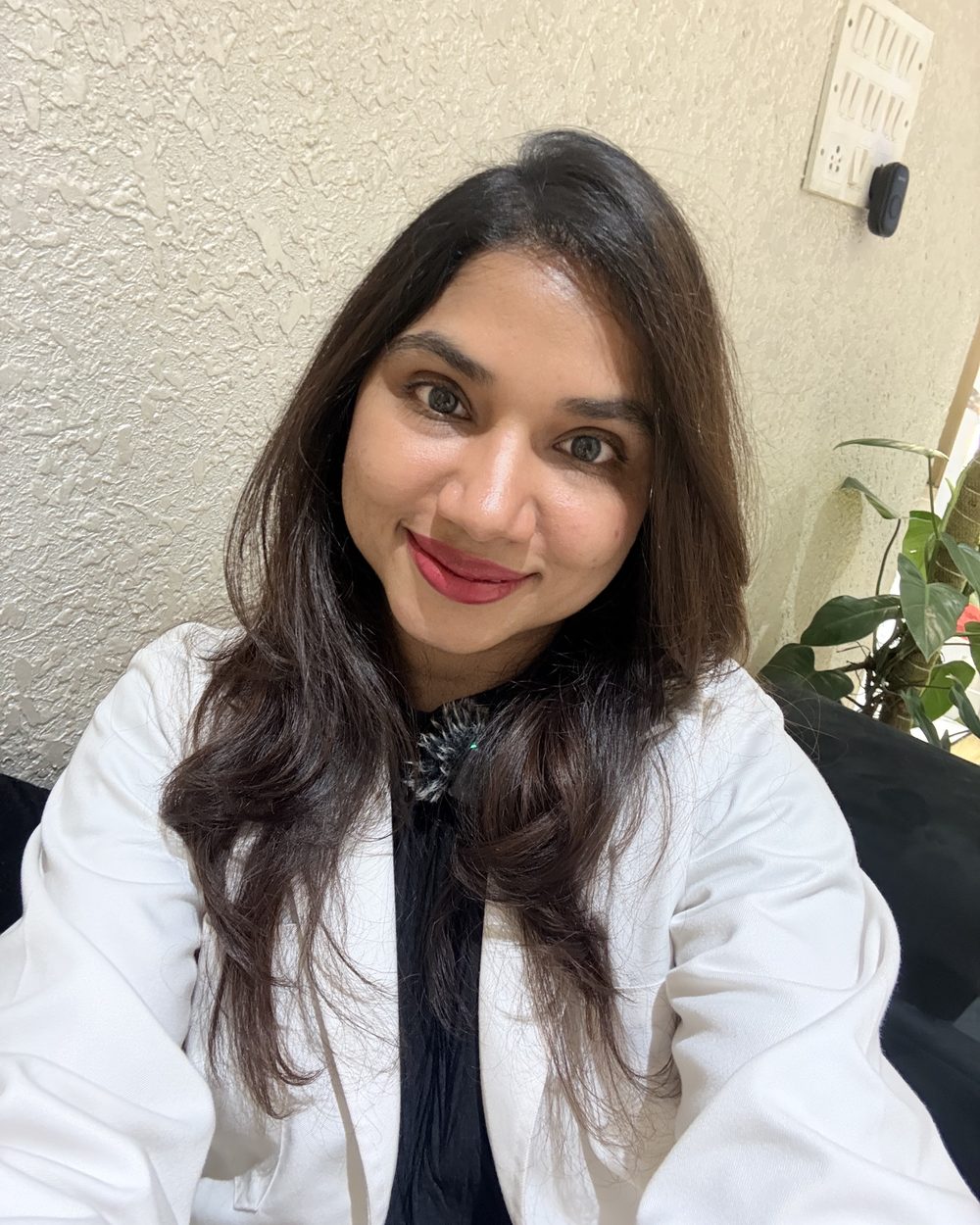
Dr. Saeema Shiraaz — cosmetologist, and the reason patients stay. Every treatment plan at Dermatonik is built around her judgement, not a sales target.
Every protocol is planned and supervised by Dr. Saeema Shiraaz — no junior staff experimenting on your skin.
We recommend what works for your skin, not whatever's trending — and we'll say so if a treatment isn't right for you.
Honest timelines, real costs, and no pressure to buy packages you don't need.
The acne cleared months ago but the marks stayed. Knowing they were marks and not scars changed how I felt about it.
Sneha B.
Pigmentation patient
What patients usually ask before their first visit.
No. If the skin is flat and only the colour has changed, it is pigmentation rather than scarring. Scarring means the texture has changed — indented or raised. Pigmentation fades; scarring needs a different approach.
It varies with depth, skin tone and whether the original cause has stopped. Rather than quote a timeline, your clinician will give you an honest expectation once they have seen the marks.
Almost always because the treatment was too aggressive for skin prone to this response. Inflammation is the trigger, so an inflaming treatment can deepen the mark. The fix usually starts with calming the skin.
A significant one. Picking prolongs inflammation and drives pigment deeper, turning a mark that would have faded into one that persists.
Yes, notably so. It is also why a cautious, staged approach matters more — the same treatment that suits lighter skin can worsen it here.
The existing marks should not return once faded, but new inflammation will create new marks. Which is why treating the underlying cause matters more than treating the marks.
Tell us a little about what you'd like to address. Dr. Saeema Shiraaz will review your message and the team will confirm a time that works for you.
2nd Floor, 1655, 27th Main Road, opp. NIFT College,
1st Sector, HSR Layout, Bengaluru 560102
By appointment — in clinic or online consultation
Continue the conversation there and the team will confirm your slot shortly.