Carbon Laser Peel: What It Does for Oily Skin, and What It Doesn’t
A carbon laser peel suits oily, congested skin. How the carbon layer and the laser work, where the research is still thin, and why deep scars and melasma need a different plan.
A carbon laser peel is often presented as one treatment for everything at once: oil, pores, acne, scars, dullness and dark patches. The procedure is real and the mechanism behind it is sound. The list is the problem.
A carbon laser peel is a good tool for oily, congested skin. It is a weak tool for deep scars, and on melasma it can make things worse.
What a carbon laser peel actually is
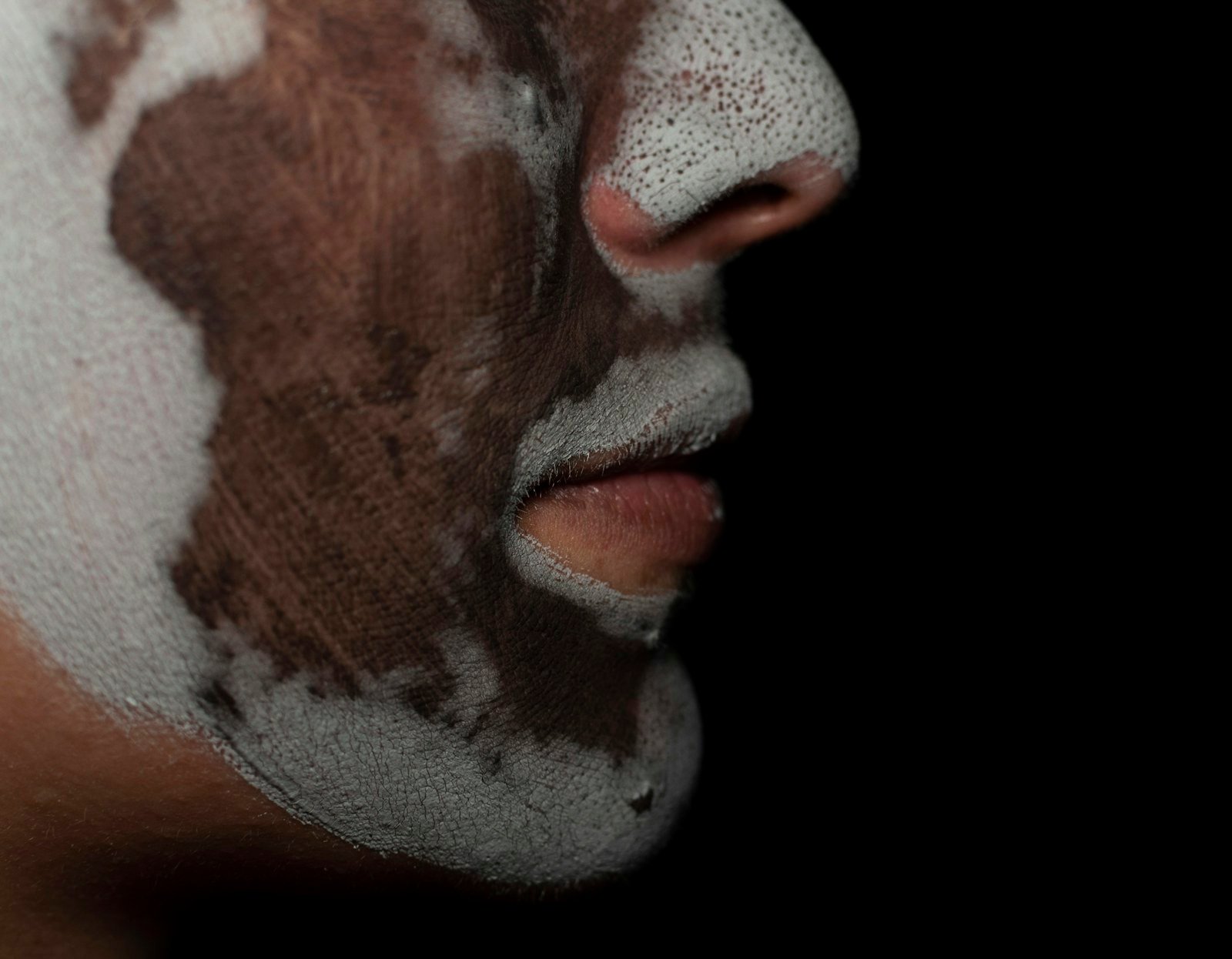
The procedure has two parts. First, a thin layer of carbon suspension, a fine black lotion, is spread over clean skin and left to settle into the pore openings. Then a Q-switched Nd:YAG laser, working at a wavelength of 1064 nm, is passed over the face. Carbon absorbs that light strongly, so the energy concentrates where the carbon sits rather than spreading evenly through the skin.
Most protocols use the laser in two modes. A longer, gentler pulse warms the carbon and the upper layers of the skin first. Then very short pulses, measured in billionths of a second, break the carbon particles apart and lift them off the surface, taking dead cells and some of the debris packed into pore openings with them. That second step is the “peel” in the name. There is no acid involved, and unlike many chemical peels it is not designed to make the skin visibly flake afterwards.
The technique was first described in 1997, for laser hair removal, and was only later carried over to acne and pores. A case report and literature summary in Dermatology Practical & Conceptual sets out the mechanisms researchers have proposed: fewer acne-related bacteria on the skin, an effect on oil gland activity, a histologically confirmed thinning of the outermost dead-cell layer, and the clearing of plugged pore openings so that sebum can flow out instead of building up underneath. The same paper is candid that, for all its popularity, the procedure has little published data behind it and still needs better-defined protocols.
So the honest framing is a reasonable, low-downtime option for a specific type of skin, supported by small studies rather than large trials.
Where it genuinely helps: oily, congested skin
The skin that suits a carbon laser peel best is the skin the mechanism was built around: a shiny T-zone, visible blackheads, clogged pores across the nose and cheeks, and a surface that feels rough or looks dull because dead cells and oil are sitting on top of it. Here every part of the procedure has something to act on, and the exfoliation removes exactly the layer that makes congested skin look congested.
It also has a place in mild to moderate inflammatory acne, usually alongside topical treatment rather than instead of it. One of the more relevant studies for readers here comes from India. A prospective study in the Journal of Cutaneous and Aesthetic Surgery followed 35 people with skin of colour and acne ranging from inflamed papules to nodules, most of whom had not done well on conventional acne medicines. The authors recorded a clear reduction in red and nodular lesions after a short course of carbon peel treatment. Redness was the most common side effect, and no post-inflammatory darkening or lightening was recorded.
That is encouraging for darker skin, which is most at risk of pigment problems after heat-based procedures. It is also a small, single-centre study with no comparison group, so it shows the procedure can be done safely on Indian skin, not that it outperforms established acne treatment.
Bengaluru’s warm, humid weather tends to leave skin feeling oilier for more of the year, and sweat, sunscreen and pollution all add to what sits in the pores by evening. For skin that feels congested however carefully it is cleansed, a carbon peel can be a useful reset within a routine, not a replacement for it. Our guide to why enlarged pores have four different causes explains why oil is only one part of that picture.
The right candidate is someone whose main problem sits at the surface: oil, blockage and texture. The further down the problem sits, the less a carbon peel can reach it.
| Concern | Is a carbon laser peel a good fit? | Why |
|---|---|---|
| Shiny, oily T-zone | Often, yes | Acts on surface oil and the dead-cell layer that traps it |
| Blackheads and clogged pores | Often, yes | Carbon settles into pore openings and the laser clears the plug |
| Mild to moderate inflammatory acne | Sometimes, alongside topical care | Small studies show fewer inflamed lesions; it does not replace acne treatment |
| Dull, rough texture | Often, yes | Surface exfoliation and gentle heating smooth the outer layer |
| Deep ice-pick or boxcar scars | No | Scars are lost tissue in the dermis; surface work does not rebuild it |
| Melasma | Usually not | Q-switched lasers carry a high risk of relapse and worsening |
| Recent dark marks after acne | With caution | Heat can trigger more pigment in darker skin, so settings must be conservative |
What it doesn’t do
It does not rebuild deep acne scars. Atrophic scars, the ice-pick, boxcar and rolling types, are areas where collagen was lost deep in the dermis during inflamed breakouts. A carbon peel works mainly on the surface, with only mild heating below it. It can soften the surrounding texture so that scars catch the light a little less, but it does not fill or remodel the scar itself. Scar treatment uses different tools, matched to the scar type, and our piece on whether acne scars go away on their own walks through why.
It is a poor choice for melasma. Melasma is a chronic pigment condition driven by sunlight and hormones, and it is easily aggravated. DermNet’s clinical summary of melasma lists Q-switched Nd:YAG lasers among the procedures that carry a high risk of relapse and of the condition becoming more resistant to treatment. Any plan that uses a carbon peel on skin with melasma should start with a careful conversation about that risk.
It does not change the pore size you were born with. Part of pore size is set by the diameter of the hair follicle beneath it, which is largely genetic. Clearing a clogged pore makes it look smaller and cleaner, but it does not shrink the follicle.
It does not replace acne medicine when acne is severe or hormonal. Deep, tender nodules, acne that flares with the menstrual cycle, or acne that has already scarred needs medical treatment first. Laser work can support that plan, not stand in for it, which is why our guide to how adult acne in women behaves differently starts with the cause rather than the procedure.

Is it safe for Indian skin?
For most people, the procedure is well tolerated. Expect warmth and a light snapping or prickling sensation as the carbon is cleared, followed by redness that is usually short-lived. The main risk on brown skin is pigment. Any procedure that heats or inflames the skin can trigger post-inflammatory hyperpigmentation and, less often, patchy lightening. The low-energy settings a carbon peel typically uses help keep that risk down, and the Indian study above recorded no pigment changes, but the risk is not zero. It rises with sun exposure, recent irritation and a personal history of dark marks. Our article on why dark marks outlast the spot on Indian skin explains the mechanism.
Several things make the procedure safer. Daily broad-spectrum sunscreen before and after is non-negotiable. Strong actives such as retinoids and exfoliating acids may need to be paused around the appointment. Anyone taking oral acne medication, or with an active skin infection, cold sores, eczema or recent sunburn on the face, should mention it at the assessment, as each changes whether the procedure is appropriate. A small test area is a sensible first step for anyone with a history of pigment problems.
How an assessment decides whether it’s the right tool
The useful question is not whether a carbon peel is good, but what is going on in this skin and whether the surface is the right place to start. An evidence-based assessment looks at oil levels across the face, whether acne is active and what type it is, whether there is scarring and at what depth, and whether any brown patches are post-acne marks, sun damage or melasma. Those three can look similar in the mirror and call for very different plans.
From there, a personalised plan might use a carbon laser peel as one part of the picture for oily, congested skin, alongside a cleanser and topical routine matched to that skin. Someone with melasma would be steered towards a different approach. Someone with deep scars would be told honestly that a carbon peel can improve their surface but not their scars. How many treatments make sense, and how far apart, depends on your skin and what is driving the problem; you get a clear estimate in person rather than a fixed package. More detail on the procedure itself is on our carbon laser treatment page.
Clinically supervised laser work comes down to precision: the right device, at the right settings, for the right problem. Part of that is saying clearly when a carbon peel is not the right tool.
Frequently asked questions
Does a carbon laser peel hurt?
Most people describe warmth and a light snapping or prickling feeling as the laser passes over the carbon. In the Indian acne study mentioned above, only a small number of participants reported discomfort, and it was described as mild and tolerable.
Is there any downtime?
Usually very little. Redness is the most common after-effect and tends to be short-lived. Sunscreen matters even more than usual afterwards.
Can a carbon laser peel remove melasma?
It is not a good choice for melasma. Q-switched lasers carry a high risk of relapse and of melasma becoming harder to treat, so melasma is usually managed with a different, more cautious plan.
Will it get rid of my acne scars?
It can make the surrounding texture look smoother, but it does not rebuild the lost tissue in deep ice-pick, boxcar or rolling scars. Those need treatments chosen for the specific scar type.
How many sessions will I need?
It depends on your skin and how it responds. You get a clear estimate in person after an assessment, not a fixed number in advance.
This article is for general education and is not a substitute for an in-person consultation. Treatment suitability depends on your medical history, skin type and current medication. Always speak with a qualified practitioner before starting or stopping any treatment.