Enlarged Pores: Why One Skincare Routine Never Shrinks Them All
Sebum, follicle size, sun damage and old acne all enlarge pores through completely different mechanisms. Most routines are only built to address one of them.
Every third product on a skincare shelf promises to “minimise pores.” Almost none of them ask which of four unrelated things is actually enlarging yours.
Pores do not enlarge for one reason. They enlarge for at least four, and a routine built for the wrong one quietly does nothing for months.
What a pore actually is
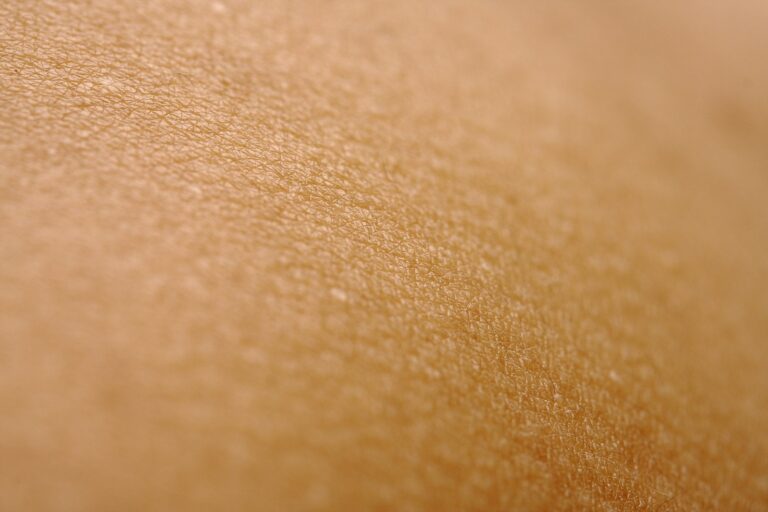
A pore is not a flaw in the surface of the skin. It is a functional opening — a depression where the ducts of a sweat-producing eccrine gland and an oil-producing sebaceous gland reach the surface. Every pore is doing a job. What changes with age, hormones and sun exposure is how visible that opening becomes.
That distinction matters more than it sounds. A structure with a function cannot simply be “closed,” which is why so much of the advice aimed at pores quietly overpromises. It also explains why the same serum can visibly help one person and do nothing for another — they were never dealing with the same underlying problem, even if the pores in the mirror looked similar.
Pore visibility is also assessed differently depending on where it sits on the face. The centre of the nose and the inner cheeks carry the highest concentration of sebaceous glands on the entire face, which is why pores are consistently most visible there regardless of which of the four drivers below is dominant. The outer cheeks and temples, by contrast, have fewer sebaceous glands and rely more on the structural support around each opening — which is exactly the tissue that sun exposure degrades over time.
Four different reasons a pore stops looking small
Dermatological reference material lists a specific set of contributing factors, and they do not share a single mechanism.
Sebum production. Oilier skin is associated with more visible pores, since the gland behind an active duct is simply larger and busier. This is the driver most people already suspect, and the only one most routines are built to address.
Hair follicle size. Pore size tracks the diameter of the hair follicle sitting beneath it. This component is substantially genetic, which is why two people with similar oil levels can have visibly different pore sizes on the same part of the face.
Sun damage and the loss of elasticity with age. Collagen and elastin around a pore normally hold its opening in a tight, round shape. As that structural support declines — accelerated by cumulative ultraviolet exposure — the opening loses its shape and stretches into the elongated, teardrop appearance common on the cheeks by the mid-thirties. This is a structural change, not an oil problem, and no cleanser reaches it.
Comedogenic products and acne. Heavy, pore-clogging formulations and inflammatory acne both weaken the walls of the follicle opening, which can leave a pore stretched even after a breakout has cleared. Anyone still managing active breakouts is often fighting this driver and one of the other three at the same time, which our piece on how adult acne behaves differently looks at from the breakout side of the same skin.
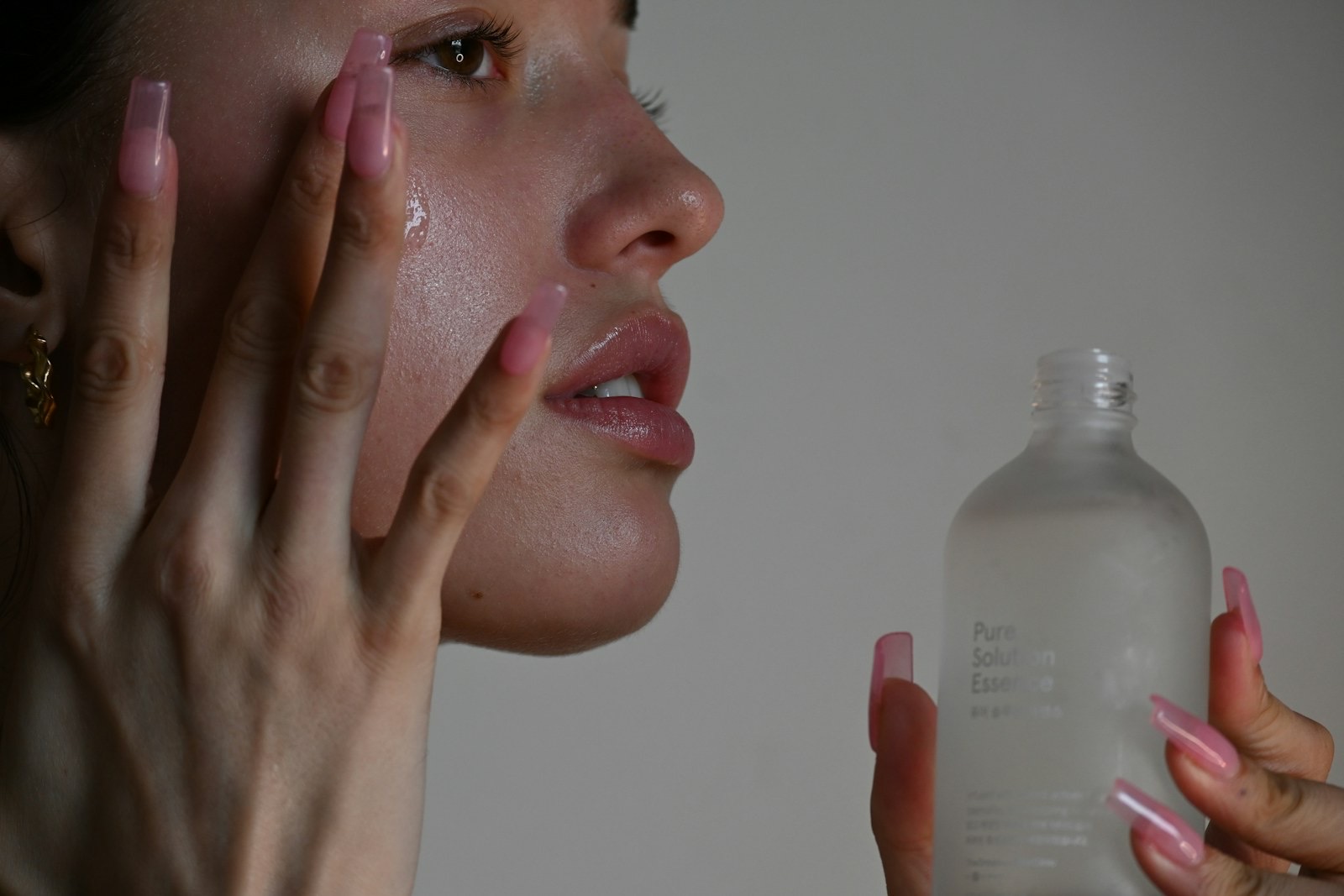
Oily skin gets blamed for all four. Genetics, sun damage and old breakouts are usually doing at least half the work.
Why Indian skin sees this earlier
Dermatological reference material also notes that certain ethnic groups — including those of African and Indian ancestry — tend toward larger pores as a baseline. Combine that with Bangalore’s UV load and the humidity that keeps sebaceous glands active for more of the year, and the structural and oil-related drivers both arrive earlier than they would in a drier, lower-UV climate. Our guide to why standard sunscreen is not enough for Indian skin covers the same UV exposure gap from the pigmentation side of this problem.
There is a hormonal layer too. Pore size in women can fluctuate across the menstrual cycle, generally appearing largest around ovulation as sebum output rises — a detail worth knowing before assuming a new skincare product has failed, when the calendar may be the actual variable.
| What’s driving it | Looks like | What actually helps |
|---|---|---|
| Excess sebum | Shiny T-zone, pores worse by midday | Oil-free, non-comedogenic products; consistent cleansing |
| Follicle size (genetic) | Present since the teens, symmetrical | Manage expectations; texture-focused topicals |
| Sun damage / elasticity loss | Stretched, teardrop-shaped, worse on cheeks | Daily photoprotection; collagen-supporting in-clinic work |
| Old acne / clogging | Enlarged pores clustered where breakouts used to be | Clinical acne care; ingredient audit for comedogenic products |
What the evidence actually supports
Dermatological guidance is candid on this point: treatments aimed specifically at shrinking pore size are, on the whole, not very effective — a claim skincare marketing rarely makes. What is better supported is a combination of habits and clinically supervised interventions matched to the dominant cause.
The American Academy of Dermatology’s guidance on large pores is a useful baseline: cleansing twice daily to manage surface oil, choosing oil-free and labelled non-comedogenic products, gentle exfoliation rather than aggressive scrubbing, and a retinoid used consistently, typically applied at night. None of this changes follicle size, but it directly addresses the sebum and clogging components — which for a meaningful share of people are most of the visible problem.
For the structural component — pores stretched by accumulated sun damage — the same reference material points toward chemical peels, topical retinoids, and physical treatments that target the sebaceous gland directly, including laser treatment and radiofrequency microneedling. These sit firmly in clinically supervised territory rather than the skincare aisle, and our overview of how skin is structurally built explains why collagen-supporting approaches are the ones that reach this layer at all.
It is worth being honest about timelines too. Habit-based changes — cleansing, non-comedogenic products, a consistent retinoid — tend to show their effect gradually, over months rather than days, because they are working on oil regulation and mild resurfacing rather than reshaping structure. In-clinic work aimed at the structural component follows a similarly unhurried course, since it depends on the skin’s own collagen response rather than an immediate mechanical change. Anyone expecting a visible shift within a week or two of switching products is measuring against the wrong driver.

How a clinical assessment approaches pore concerns
A useful starting question is rarely “how do I shrink my pores” — it is “which of the four is mine, and in what proportion.” Someone whose pores are mostly a sebum story needs a different plan from someone whose pores are mostly a sun-damage story, and treating the wrong one first is the most common reason a year of new products produces very little visible change.
An evidence-based assessment separates oiliness from structural loss from clogging from genetics, checks whether active or resolved acne is contributing, and factors in where a client’s skin sits in its hormonal cycle before drawing conclusions from a single day’s appearance. It also looks at where on the face the concern concentrates, since a nose and inner cheeks dominated by sebum call for a different sequence than outer cheeks showing early structural stretching — treating both zones identically is usually why one of them barely responds. From there, a personalised plan follows — daily photoprotection as the non-negotiable base for anyone with a structural component, targeted topicals for oil and clogging, and precision in-clinic work introduced only where it is genuinely the right tool, not the default one.
The goal is not invisible pores — that is not a realistic outcome for most skin. It is pores that reflect what your skin is actually doing, rather than a problem stacked on top of three others nobody separated out. Matching the plan to the driver is what makes the difference feel real rather than cosmetic.
Pores are one of the few skin concerns where the honest answer is also the useful one: there is no single fix, because there is no single cause. Once the dominant driver is identified, the plan usually gets simpler rather than more complicated — fewer products aimed more precisely, instead of an ever-growing shelf of things that were never going to reach the actual problem.
Frequently asked questions
Can I actually make my pores smaller for good?
Not in the sense of changing follicle diameter — that component is structural and largely genetic. What responds well and holds up over time is the visible stretching caused by sun damage and clogging, which is where most of the realistic improvement comes from.
Why do my pores look worse in the afternoon than in the morning?
Sebum accumulates through the day, and an oilier surface makes any pore look larger and more visible, regardless of its underlying size. This is a temporary, oil-related change rather than a sign your pores are growing.
Is it my skincare or my genetics?
Often both, in different proportions. Follicle size and ethnic baseline are genetic and fixed; sebum output, sun damage and product-related clogging are the parts a routine and clinical care can actually influence.
Do pore strips or minimising primers help long-term?
They address the visible symptom for a few hours at most and do nothing for the sebum, sun damage or clogging driving the appearance underneath, which is why the improvement never seems to last.
This article is for general education and is not a substitute for an in-person consultation. Treatment suitability depends on your medical history, skin type and current medication. Always speak with a qualified practitioner before starting or stopping any treatment.